
Did you miss Energy Savers Week 2026?
If so, never fear, you can still benefit from our top tips and reminders to help you take control of your energy use.
Reduce your energy waste, improve home heating, and access support for energy bills by chatting to the Green Doctors who can visit you with some great advice to keep your home warm without breaking the bank. Did you also know that you can get support on money matters from our Cash Wise team?
Go through your energy costs to understand how much you’re using and how much it costs and have a chat with your energy provider to see how you could reduce costs.
By using some simple everyday habits, you can save energy and money this winter. Switch on to your new year on the right footing by adding these into your daily routine.
(Savings figures are for an average household in Great Britain).
Easy everyday energy wins for you
Getting up for the day
- Keep your shower time to four minutes – set a timer or play a song (saves £45 a year).
- Keep your bathroom ventilated — close the bathroom door, turn on your extractor fan or open a window during, and for 15 minutes after, your shower to prevent damp and mould.I
- Reduce the water temperature, as cooler showers use less energy (saves £40 a year).
- Turn off the tap while brushing your teeth, shaving, or washing your face, and use cold water if you don’t need hot.
Heating your home for the day
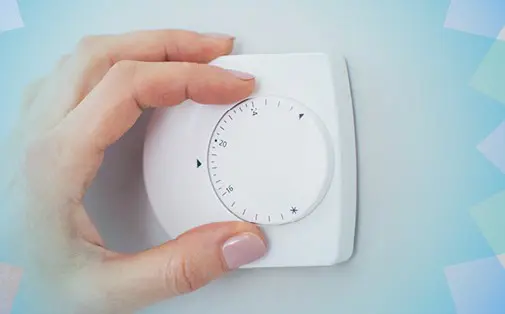
- Check the temperature on the thermostat – between 18°C and 21°C is fine for most people.
- Check your heating times – if you have a boiler, set the temperature two or three degrees lower, (or programme it to be off) when you’re out or asleep. If you heat your home with another type of heating, such as a heat pump, check with the installer before changing any settings.
- Check the thermostatic radiator valves – Some have numbers on them. You could set each one to the lowest number that keeps the room comfortable. Set them to three or four for rooms you want warmer and one or two for rooms you want cooler.
- Install radiator reflectors behind radiators on external walls. These are easy to install even in rented homes and should make rooms feel warmer.
- Close your curtains and blinds when it gets dark, as this helps keep the heat in at night. Keeping your curtains or blinds open when it’s light lets the sun (when we see any!) warm the room.
Washing and drying your clothes
- Use your washing machine’s ‘eco’ cycle for dirty laundry – this takes longer but uses less energy – these are sometimes called ‘Eco 40-60’ or ‘Eco cotton’.
- Use a cold cycle (20°C or 30°C) for laundry that needs a ‘freshen up’ but isn’t visibly soiled.
- Use a heated clothes airer instead of a tumble dryer – these are cheaper to run, and they’ll also allow clothes to dry more quickly than a standard clothes airer. Remember to ventilate the room by keeping trickle vents or a window open. You could also use a dehumidifier.
- Hanging your washing outside can be an effective way to dry clothes. You can do this on sunny days but colder and overcast days can also be drying days. Look for days when it’s breezy and when the ground is dry.
- If you’re on a smart tariff, schedule appliances to run during lower price times (only run them when you are at home and awake due to potential fire risks).
Cooking your dinner
- Use the appliance that fits the meal you’re making. Air fryers, microwaves or slow cookers usually use less energy than ovens and hobs when cooking a single meal. Make sure to turn on your extractor fan while cooking. If you don’t have an extractor fan, open a window instead.
- Defrost frozen food in the fridge before you cook it – this will reduce the cooking time.
- Cook more food at the same time – you can keep leftover food, that’s safe to reheat, in the fridge or freezer.
- Put lids on pans while you’re cooking and make sure you’re using the right size pan for the amount of food, so you use less energy.
- When you boil the kettle, measure out the water you need – don’t overfill the kettle.
- Defrost your freezer once or twice a year and don’t hold the door open for extended periods of time – this will help save energy.