
Knowing what to do in an emergency and understanding the steps you can take to prevent fires helps keep you, your household, and your neighbours safe. We work hard to maintain safe buildings and clear communal areas, but your actions at home also play an important role.
From testing your detectors regularly to following the guidance, being prepared can make all the difference in an emergency. The information below outlines how you can reduce the risks, how we manage fire safety, and where you can find support if you would need help during an evacuation.
Action to be taken in the event of a fire
If a fire starts in your home, the most important thing is to get yourself and anyone else inside to safety as quickly as possible.
Make sure everyone in the home is aware of the fire, then leave the room straight away, closing windows and doors behind you to help slow the spread of smoke and flames. As you leave your home, ensure your front door is firmly shut.
Don’t try and deal with the fire yourself unless it’s very small and you’re completely confident it’s safe. Avoid using any balconies that aren’t part of an official escape route, as these can place you in greater danger.
Once you’re safely away from the immediate area, call 999. You can call the fire service free of charge from any phone, including mobiles and public phone boxes.
When leaving the building, always use stairs rather than a lift, as lifts may stop working or put you at risk during a fire. Once outside, move to a safe distance and stay clear of the building.
When the fire service arrives, you can then tell them exactly where the fire is in your block or home.
For buildings with a 'stay put' policy:
If you see or hear of a fire in another part of the building:
The building is designed to contain a fire in the flat where it starts. This means it will usually be safe for you to stay in your own flat, if the fire is elsewhere.
It will normally be safe for you to stay in your own apartment. If your apartment is affected by heat or smoke from elsewhere in the block, leave straight away, closing all windows and doors behind you.
Keep low to the floor as there will be less smoke and visibility will be better.
You must leave immediately if smoke or heat affects your home, or if you’re told to by the fire service.
If you are in any doubt, get out.
Communal areas
To keep everyone safe and reduce the risk of fires in communal areas, we operate a strict zero tolerance policy on storing or leaving items in shared spaces.
Our Estate Officers carry out regular checks to make sure that corridors, stairwells and other communal areas are clear.
If anything is found, the owner will be asked to remove it straight away. If items aren’t removed immediately, a seven-day notice period will be given for the items to be removed.
After that time, we’ll remove the items for you, and you may be charged for the removal. If something left in a communal area poses a serious or immediate risk, we’ll take it away immediately and we’ll let the owner know.
Fire safety guidance
There’s fire safety guidance for each of our high-rise blocks with specific details for what you should do if there’s a fire.
This information is on a fire action notice, displayed in the communal area of your building. It’s also in the fire safety guide given to all new tenants at tenancy sign up and all residents on a yearly basis.
The fire safety guide for your building can be found below:
Need assistance in an emergency?
If you or someone in your household would need help in an evacuation due to mobility, health, or cognitive needs, please let us know.
We’re introducing Person-Centred Fire Risk Assessments (PCFRAs) and Emergency Evacuation Statements (EES) to support residents.
Please contact us on 0345 8 507 507 and we’ll put an agreed evacuation plan together.
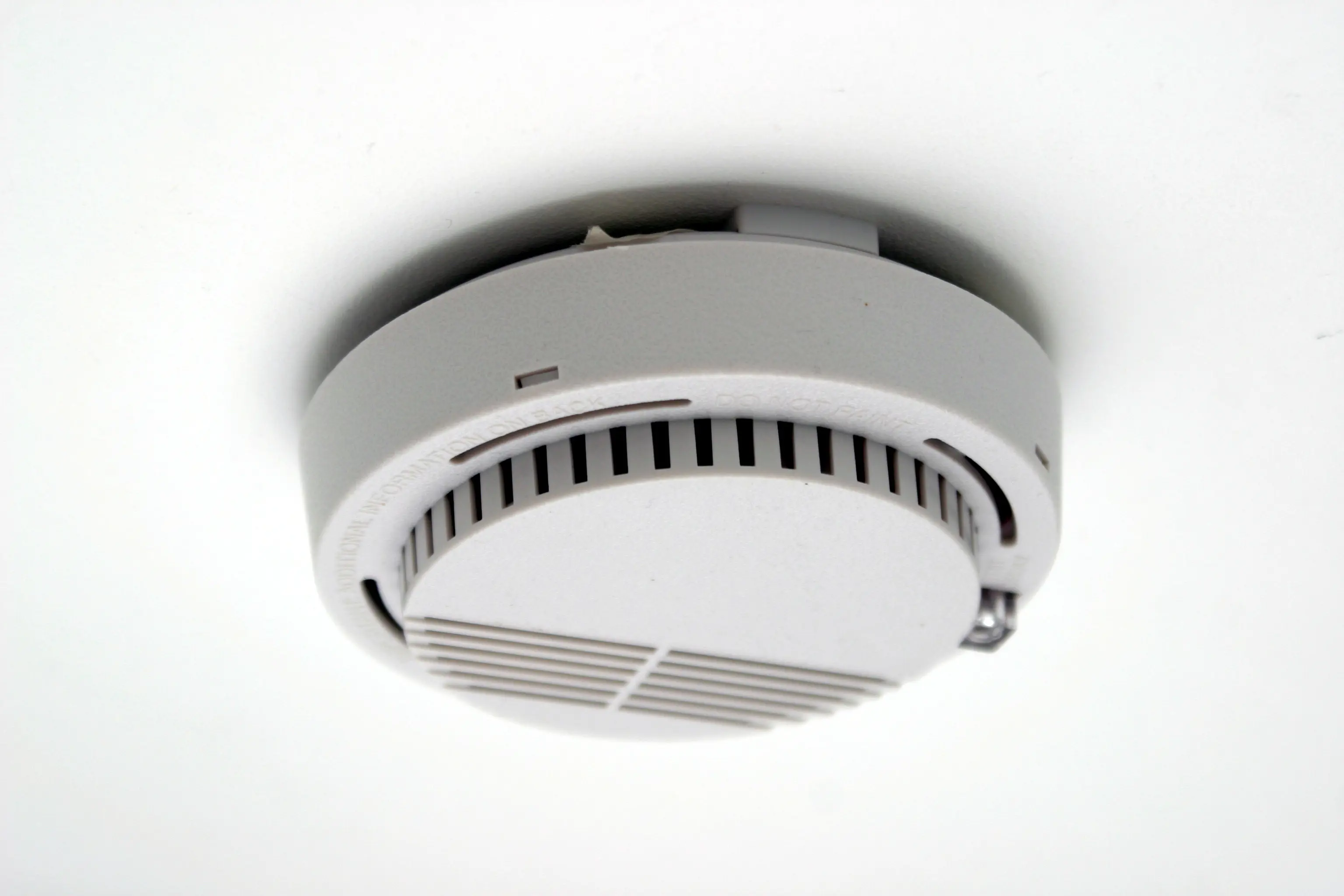
Smoke alarms save lives!
Smoke alarms save lives, so it’s important to look after them.
Test your alarm to make sure it’s working properly and never remove the batteries unless you’re replacing them. Giving the alarm a quick vacuum every six months helps prevent dust from reducing its effectiveness.
Smoke alarms detect fires at the earliest stages and sound a loud warning to alert you. Many people who lose their lives in house fires are asleep when the fire starts, and a working smoke alarm can wake you and give you vital extra time to escape.
Your actions also affect the safety of others in the building.
You may be eligible for a free ‘Safe and Well’ visit or able to complete your own ‘Fire Safety Check’.
Contact your local Fire and Rescue Service for details.
E-bikes and e-scooters
E‑bikes and e‑scooters are becoming more common, and most use lithium‑ion batteries. These batteries work well, but if they’re damaged or charged incorrectly they can cause fires, so it’s important to charge and store them safely.
Only use the charger that came with your bike or scooter, keep an eye on it while it’s charging, and avoid charging it overnight or when you’re out. Don’t charge or store it near anything that could catch fire, and don’t block hallways or shared escape routes. If a battery ever catches fire, do not try to put it out yourself. Get out, stay out, and call 999.
Store your e‑bike or e‑scooter somewhere cool and dry and follow the manufacturer’s advice if you’re not using it for a while.
Oxygen cylinders
If you need to use oxygen cylinders at your home because of a medical condition, you must tell us immediately by calling 0345 8 507 507.
We'll work with you to agree suitable safe storage arrangements. We’ll also let the Fire Service know and they will contact you.
If the NHS has provided the oxygen equipment, they should also show you how to use it.
Worried about fire safety?
If you have any concerns or would like further information, call us on 0345 8 507 507


Working together to keep your home safe
Everyone deserves to feel safe in their home, and we’re here to make sure you have the information and support you need.

Building Safety
How we manage building safety, your rights in high rise buildings, how to raise a safety concern and how to get involved in decision‑making.

Asbestos
What asbestos is, how we manage it, what to do if you think you’ve found it and how we keep our records up to date.

Electrical Safety
How we keep your electrical systems safe, what you can do to avoid electrical hazards and where to find our policies.

Gas and Heating Safety
How we keep your gas supply safe, what our engineers do, the dangers of carbon monoxide , and how to stay safe when using gas appliances.

Lift Safety
How we look after passenger lifts in our buildings, the checks we carry out and how we make sure they stay safe and reliable.

Water Safety
How we keep your water supply safe, information about Legionella, hot‑water safety, simple steps to keep your water safe and when to get in touch.