
To help prevent electrical accidents in your home, we’ve put together some guidance on how we’re keeping you safe and how you can use electrical appliances and installations responsibly.
How we’re keeping you safe
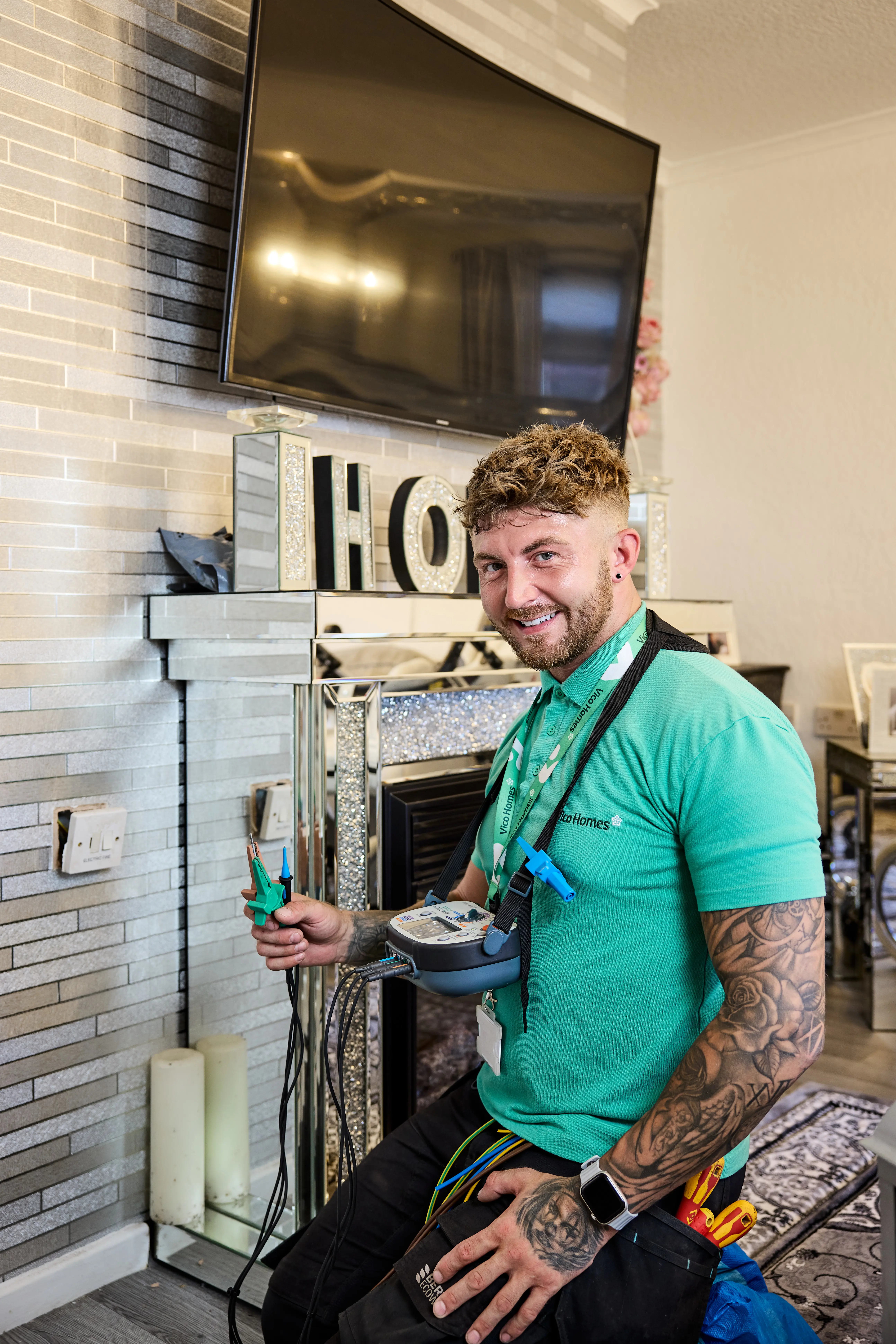
If you live in one of our rented homes, we carry out regular electrical safety checks, officially called an Electrical Installation Condition Report, every five years or whenever there’s a change in tenancy.
These checks are a legal requirement and help ensure that the electrical systems in your home remain in a safe and satisfactory condition. When your home is due for testing, we’ll contact you to arrange an appointment.
The inspection usually takes around three to four hours depending on the size of your home and the number of circuits we need to assess. We do need to turn off the power at the main supply while the check is carried out, and we’ll remind you of this when we book the appointment so you can prepare in advance.
If we find any issues during the inspection, there’s no need to worry. Our Compliance Team monitors all risks to customers, colleagues, and homes and ensures that repairs and improvements are carried out promptly.
What you can do to keep safe
- Don’t overload your sockets, you can use this ‘socket calculator’ to check that yours are safe.
- Do visual checks and make sure your plugs, sockets and wires are all in good condition.
- Don’t use the top of the microwave for storage.
- Don’t take any mains powered items into the bathroom.
- Doing DIY? Use this handy guide to keep safe when using electric tools.
- Remember that water and electricity are not friends – keep them away from each other.
- Only use electrical gardening equipment outside when it’s dry.
- If your home has been flooded, don’t use any of the electrics as they could be damaged.
- If you’re using electrical heaters, make sure that they’re kept away from fabrics, paper and furniture to stop a fire from breaking out.
-

Changes to your electrical safety report
Find out more

Working together to keep your home safe
Everyone deserves to feel safe in their home, and we’re here to make sure you have the information and support you need.

Building Safety
How we manage building safety, your rights in high rise buildings, how to raise a safety concern and how to get involved in decision‑making.

Asbestos
What asbestos is, how we manage it, what to do if you think you’ve found it and how we keep our records up to date.

Fire Safety
How we maintain fire safe buildings, what to do in an emergency, help with evacuation needs, and tips for preventing fires at home.

Gas and Heating Safety
How we keep your gas supply safe, what our engineers do, the dangers of carbon monoxide , and how to stay safe when using gas appliances.

Lift Safety
How we look after passenger lifts in our buildings, the checks we carry out and how we make sure they stay safe and reliable.

Water Safety
How we keep your water supply safe, information about Legionella, hot‑water safety, simple steps to keep your water safe and when to get in touch.