
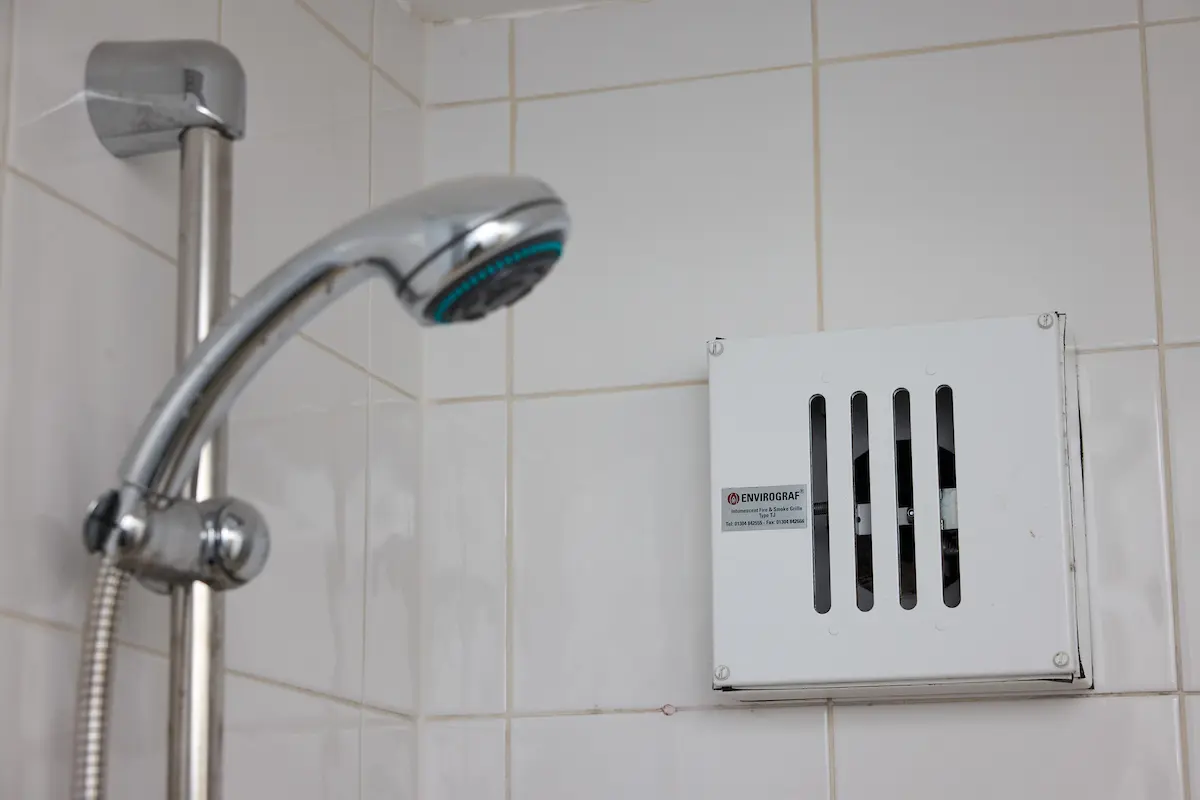
Most water systems can grow bacteria if water is left to sit for too long.
The main concern is Legionella, which can cause Legionnaires’ disease, a rare but serious illness. It’s more likely to affect older people, heavy smokers and drinkers, and anyone with a weaker immune system.
We manage water safety across our homes, but there are simple steps you can take too. The key thing is to keep water moving, especially if taps or showers aren’t used often.
It’s also important to look out for problems with your hot water system, as faults can sometimes cause water to become dangerously hot.
If you live in an independent living apartment
The risk while living in one of our schemes is low. This is because we manage and monitor our water systems.
The water is stored above 45°C which will not allow legionella bacteria to grow, and, the water is used daily, which does not give time for the bacteria to grow to significant levels.
Risk can increase if your property is empty for long periods of time, when you go on holiday, stay with family or are in hospital for over a week.
If you follow this simple advice, it will drastically reduce the risk from Legionella bacteria in your apartment:
Hot‑water safety
Hot‑water systems are usually very safe, but like any appliance they can fail due to age, wear or misuse.
If that happens, water can heat up more than it should and cause burns or scalds. Serious incidents are rare, but it’s important to know the warning signs.
Look out for:
- Very hot water coming from hot taps.
- Loud bubbling or banging from the hot‑water cylinder.
- Hot water coming from cold taps.
- Steam or damp around the cylinder cupboard or loft area.
- Warm or hot water from an overflow pipe outside your home.
If you notice any of these, turn off the appliance or immersion heater straight away and call us on 0345 8 507 507.
To reduce the risk of burns and scalds, keep your hot water thermostat set to 55°C, run cold water first when filling baths or sinks, always test the water temperature, and never leave hot taps running unattended, especially around children.
Help us keep your home safe
Your safety is our priority.
Please report any concerns and allow our engineers access for yearly safety checks.
Regular servicing helps prevent problems and keeps your water and hot water systems running safely.

Working together to keep your home safe
Everyone deserves to feel safe in their home, and we’re here to make sure you have the information and support you need.

Asbestos
What asbestos is, how we manage it, what to do if you think you’ve found it and how we keep our records up to date.

Building Safety
How we manage building safety, your rights in high rise buildings, how to raise a safety concern and how to get involved in decision‑making.

Electrical Safety
How we keep your electrical systems safe, what you can do to avoid electrical hazards and where to find our policies.

Fire Safety
How we maintain fire safe buildings, what to do in an emergency, help with evacuation needs, and tips for preventing fires at home.

Gas and Heating Safety
How we keep your gas supply safe, what our engineers do, the dangers of carbon monoxide , and how to stay safe when using gas appliances.

Lift Safety
How we look after passenger lifts in our buildings, the checks we carry out and how we make sure they stay safe and reliable.